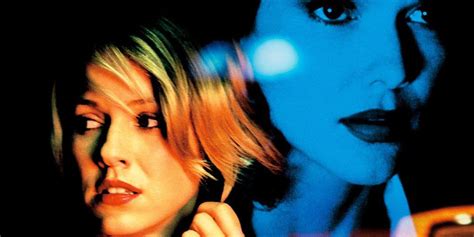
Considered the genius of dreamscape cinema, Lynch befuddled and mesmerized moviegoers with this 2001 tour de force
Our sleeping dreams are a conundrum; they’re nonsensical, host a bizarre characters and present as fragmented parts of our psyche. David Lynch, a visionary auteur like no other, took those dream-state components and turned them into a compelling, cinematic art form during the course of his 58 year film career.
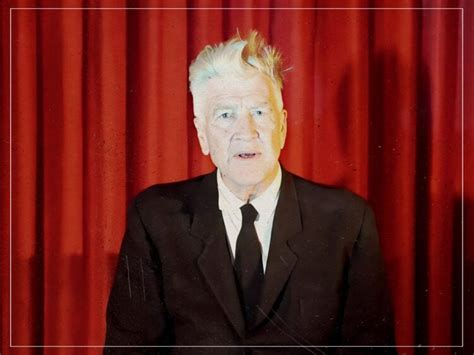
Mulholland Drive is Lynch’s 2001 dreamscape opus. The film premiered a decade after Twin Peaks, and while a few scenes from the film present with a distinct “Peakian” feel, Mulholland Drive stands alone as a cinematic masterpiece.
The film revolves around Betty (Naomi Watts) an aspiring actress who arrives in Hollywood with aww shucks naïveté looking for her big break. She doesn’t have to look far; a gorgeous apartment and a big break audition lands in her lap pronto. What luck!
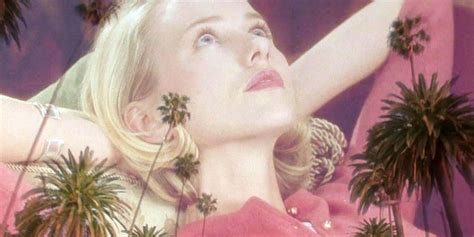
Naomi Watts’s exquisite portrayal of Betty garnered her international stardom after a decade of struggling in Hollywood.
Until she meets Rita, that is, a tragic beauty suffering from amnesia after a car accident. Betty bonds with Rita, vowing to help her recover her identity. But good intentions take an ominous turn when they stumble upon a mystery that flips reality on its head.
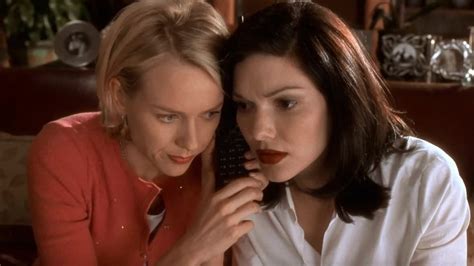
The film takes a dramatic shift into a different plane of reality when Betty and Rita are suddenly two different people and their fortunes have mysteriously reversed; Rita is the one with all the magic luck and Betty stumbles through a tragic existence. It’s difficult to for the viewer’s mind to catch up to the radically altered storyline. Several sub-plots and fractured loose-ends later, the viewer is left wondering if anything they’ve seen onscreen is going to come together to make a whole. Unanswered questions abound: what the heck happened to Betty and Rita? Who are the elderly, genteel couple at the airport who turn garishly evil? What about the homeless man who appears vital to the plot but fizzles out? Is that Billy Ray Cyrus?
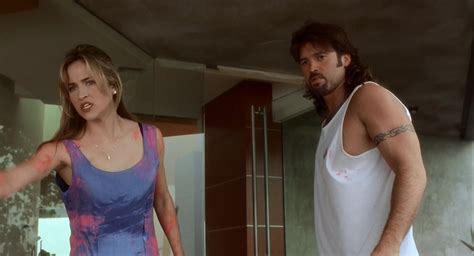
Billy Ray plays an achy-breaky pool man in Mulholland Drive
The Lynchian rub is this: there is no piecing this film together. The story is fragmented, spellbinding and multi-plotted with an odd cast of characters – like a dream. Lynch insisted that he wanted no meaning assigned to it.
The mystery held true for the actors during filming. In a 2015 Criterion interview, Naomi Watts said “Of course we always had questions: “Does this mean that?” “Is that why she’s going here?” and “Who is that character?” And he (Lynch) would delight in the mystery of it and not give any information that you needed.”
Justin Theroux confirmed the same, saying: ” I think people who try to break it down…are going to end up frustrating themselves because there is no connective tissue between certain things. And that’s OK.”
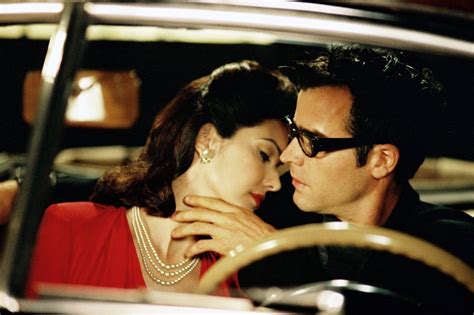
Mulholland Drive splintered critics and movie goers alike with its choppy, hard to grasp plotlines and twisted neo-noirness. But it’s a movie that stays with you, a story that reverberates in your head as you attempt to grasp at some meaning behind the dark, gritty images and tragic characters presented onscreen.
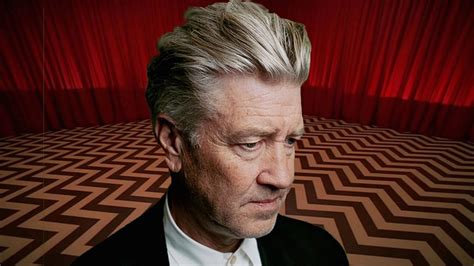
RIP to the great David Lynch, who won Best Director at Cannes Film Festival in 2002 and garnered an Academy Award nomination for Mulholland Drive
During his lifetime, Lynch was recognized for his unique storytelling and brilliant filmmaking gifts. Now that he is gone, he will be celebrated as one of the greats. Mulholland Drive, arguably his best film, serves to cement his legacy as a cinematic genius.


Leave a Reply